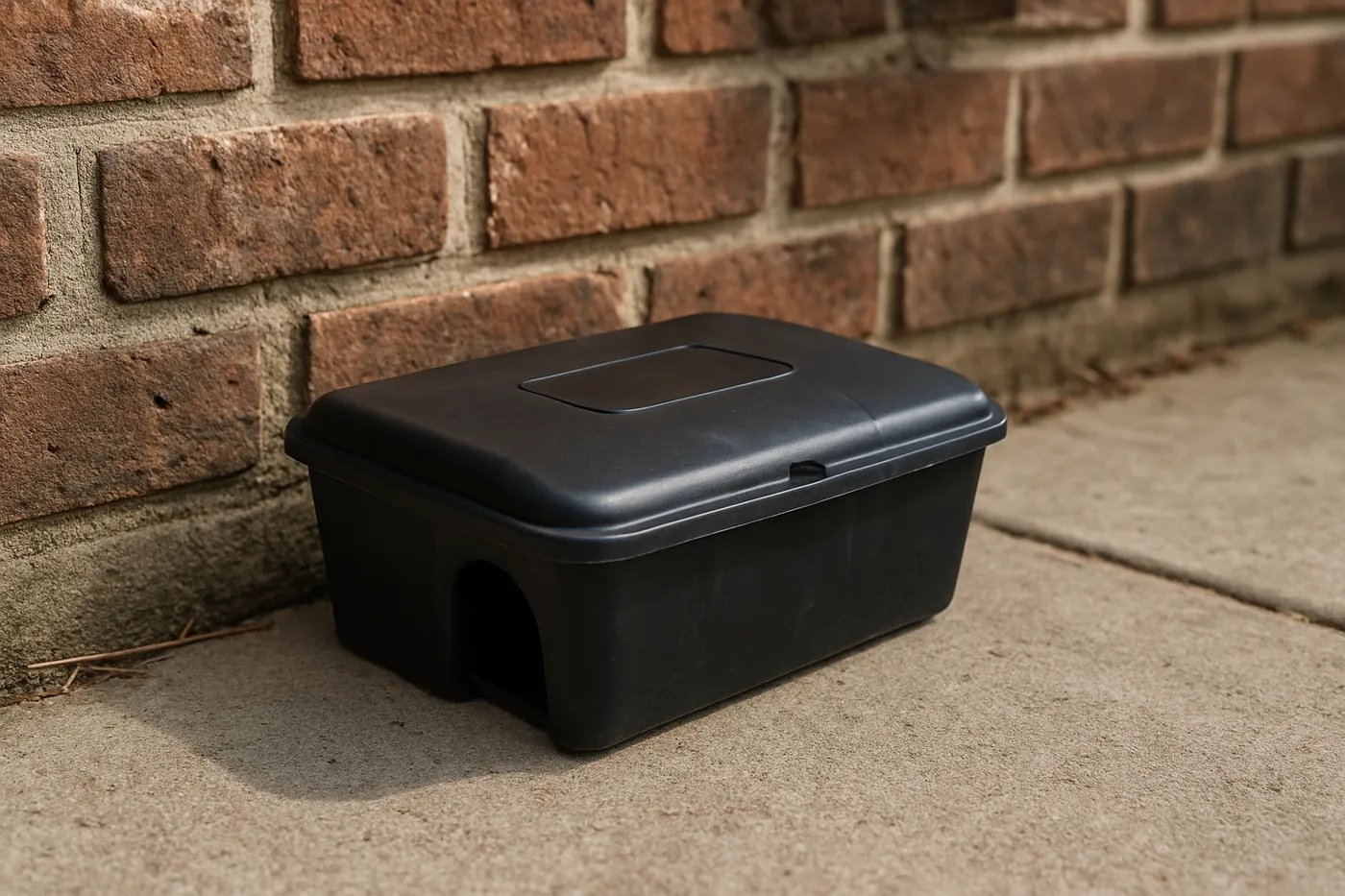
Rodent control in Cleburne, TX means getting rats and mice out of your home and keeping them from coming back, not just setting a couple of traps and hoping. When the first cold front pushes through Johnson County, rats and mice that spent the warm months outside start looking for a warm, dry place to nest, and your attic, walls, and garage look perfect to them. A rodent problem rarely stays small, because these animals breed fast and chew through wiring, insulation, and wood. One call gets you a local exterminator who inspects, removes, and seals out rodents across Cleburne, with a no-obligation quote and 24/7 scheduling.
The rats and mice in Cleburne homes
Three rodents cause nearly all the trouble in North Texas homes, and the right plan depends on which one you have. A roof rat in the attic, a Norway rat under the slab, and a mouse in the pantry are three different problems with three different solutions, and treating one like another wastes time while the colony grows. That is why a local exterminator starts with identification rather than guessing.
Here is the lineup that shows up in Cleburne:
- Roof rats. Sleek climbers that travel along tree limbs, fences, and utility lines into attics and upper walls. They favor the roofline and the spaces overhead.
- Norway rats. Bigger, heavier rats that burrow near foundations, in crawl spaces, and around garages, working their way in from ground level.
- House mice. Small, curious, and quick to breed. A mouse slips through a hole the size of a dime and nests inside walls, pantries, and storage.
Each one enters and travels differently, so a local exterminator identifies the species first, then targets the traps and the sealing where that rodent actually goes. Roof rats get caught high, along the rafters and the runways near the soffits. Norway rats get caught low, near the burrows and along the foundation. Mice get caught wherever the droppings cluster, usually within a few feet of their food. A homeowner setting traps blind tends to put them in the wrong places, which is part of why store-bought efforts stall out while the colony keeps growing.
Signs you have a rodent problem
Rodents stay hidden, so you usually hear or find the evidence before you see the animal. A single rat or mouse caught in the open often means a dozen more out of sight, since these animals are most active at night and stick to the spaces inside walls, above ceilings, and behind appliances during the day. Knowing what to look for lets you act before a quiet visitor becomes a nesting colony. Watch for these:
- Droppings. Dark, rice-shaped pellets along baseboards, in cabinets, in the pantry, or across the attic.
- Gnaw marks. Chewed wood, plastic, wiring, or packaging, often with shredded paper or insulation pulled into a nest.
- Scratching at night. Scurrying, scratching, or thumping in the walls or attic after dark, when rodents are most active.
- Grease trails. Dark, oily smudges along walls and beams where rodents rub the same runway again and again.
- A musky odor. A persistent smell in the attic or a closed room from urine and nesting.
Notice any of these and it is time to call. Rodents do not leave on their own once they have found shelter and a food source, and the longer they stay the bolder they get and the more of them there are. A scratching sound that started in one corner of the attic last week has a way of becoming droppings in the kitchen this week, because rats and mice expand their range as the colony grows. Catching it early keeps the job small.
How a local exterminator clears rodents
Lasting rodent control follows a sequence, and skipping a step is why most do-it-yourself efforts fail. A few snap traps from the store might catch the boldest mice, but they do nothing about the hole the mice came through or the nest in the attic, so the problem resets the moment the traps stop catching. A local exterminator runs the full process instead.
Inspection. The exterminator walks the home inside and out, finding entry points, runways, nests, and droppings. This maps where the rodents live and travel, which sets up everything that follows.
Trapping and removal. The exterminator places traps along the active runways to remove the rodents already inside. Trapping is precise and lets the exterminator confirm the catch, instead of leaving bait that can send a rodent to die in a wall.
Exclusion and sealing. This is the part that actually ends the problem. The exterminator seals the gaps, holes, and weak points rodents use to get in, around plumbing and utility lines, foundation cracks, garage corners, roof and soffit gaps, and gable vents, so the next wave cannot follow the same path.
Attic cleanup. Where rodents have nested, the exterminator removes droppings and contaminated material, replaces soiled insulation if needed, and sanitizes the space to cut odor and remove the scent that draws new rodents.
That order is the whole reason the work holds. Trapping without sealing just empties a house that fills back up. Sealing without trapping locks rodents inside, where they keep breeding. Doing both, then cleaning up, is what turns a recurring rodent problem into a one-time job. A local exterminator brings the experience to find entry points most homeowners never spot, like the gap behind a dryer vent or where a pipe runs through the slab.
What attic cleanup involves and why it matters
Trapping and sealing stop the rodents, but they do not undo the mess left behind, which is where attic cleanup comes in. A rodent that has lived in an attic for weeks leaves droppings scattered across the insulation, urine soaked into the material, and shredded nesting tucked into corners and along beams. That contamination is more than ugly. The scent it leaves behind acts like a welcome sign to the next rodent looking for a home, so a sealed but dirty attic can still draw new activity. The droppings and dust also carry health risks, and they get stirred into the air every time the attic heats up and the HVAC system pulls air through. A local exterminator removes the soiled insulation where it is needed, clears the droppings and nesting, and sanitizes the space, then replaces insulation so the attic performs the way it should. Not every job needs a full cleanup, and the exterminator tells you honestly whether yours calls for a thorough job or a lighter pass, so you pay for the work the home actually needs and nothing more.
Older homes, new builds, and the first cold front
Where you live in Cleburne shapes how rodents get in. The older homes around downtown and the Santa Fe district, many of them pier-and-beam, have more entry points by nature: crawl-space vents, gaps where additions meet the original structure, and decades of small openings around pipes and wiring. Roof rats love mature shade trees with limbs touching the roof, which those neighborhoods have in abundance. The newer brick-on-slab subdivisions near the Chisholm Trail Parkway are tighter, but they still give up gaps at garage door corners, weep holes, and utility penetrations, and a slab on shifting blackland clay can crack and open a ground-level path for Norway rats. The timing is the constant. When that first real cold front drops through Cleburne, rodents that were content outside all summer move toward the warmth of your home, and that is when calls spike. Getting ahead of it, or moving fast at the first scratch in the wall, keeps a couple of mice from turning into a nesting colony. Rodents are not just a nuisance either: they carry disease in their droppings and chew electrical wiring, which is a genuine fire risk.
Why moving fast on rodents pays off
Rodents are not a problem that holds still. A single pair of mice can become dozens in a matter of months, because they breed year-round once they are warm and fed inside your home. Every week you wait, the colony grows, the droppings spread, and the chewing reaches new wiring and ductwork. That is the practical case for calling at the first sign rather than buying another box of traps. There is a health side too. Rodent droppings and urine can carry bacteria and viruses, and the dust they create gets stirred into the air every time the attic heats up or the HVAC runs. The damage side is just as real: rodents gnaw constantly to keep their teeth filed down, and electrical wiring is a favorite target, which is how a small infestation turns into a chewed wire behind a wall. A local exterminator shuts the whole cycle down, removes the animals, seals the building, and cleans up what they left, so the home goes quiet and stays that way. Pair the work with a general pest control plan and the exterior stays defended against the insects that often share the same entry points.
Rats and mice near me in Cleburne
Searching for rodent control near you usually means you already have a problem, and the good news is that a local exterminator who knows Cleburne homes is a phone call away. Local matters here, because someone who works Johnson County every week knows the housing stock, the way roof rats use the mature trees in the older neighborhoods, and how the blackland clay under newer slabs cracks and opens ground-level paths for Norway rats. That local read shortens the inspection and sharpens the trapping and sealing. The same exterminator serves the surrounding towns too, so whether you are in Cleburne proper, out toward Godley, or up in Joshua, one call reaches help that understands the area. Lines stay open around the clock, which matters when the scratching in the wall keeps you up at night and you want it dealt with now.
Get a no-obligation rodent quote
If you are hearing scratching overhead or finding droppings in the pantry, the smart move is to call before the problem grows. Reach a local exterminator at (817) 391-2315 for a no-obligation quote and fast scheduling across Cleburne and nearby towns like Keene and Burleson. Lines are open 24/7, and a local exterminator takes it from there. While rodents are sealed out, a general pest control plan keeps the insects out too, and the full service list is on the Cleburne Pest Control home page.